
Veterinary Services
Suwannee Valley Veterinary Clinic offers a wide range of veterinary services for our patients. Just a few of our wellness and preventive care services are listed below. For more information on these or other services, please call 352-493-0123.

Getting your new puppy or kitten off to a healthy start sets the stage for their lives as healthy adults. Regular physical examinations, core and elective vaccinations, fecal testing for parasites, and deworming are all important elements of ensuring good health for your puppy or kitten. Our knowledgeable staff can help your family learn about potty training your pup, performing nail trims on your puppy or kitten, dietary recommendations, and potential health hazards for your new pet.
Spaying and neutering are additional topics to consider; the appropriate age for the timing of sterilization surgery may vary upon the species and breed of your pet. You may also want to consider Pet Health Insurance – a great way to get your new little family member off to a good start. Last but not least, you’ll also want to consider whether your new puppy or kitten may need preventives such as monthly heartworm prevention, and flea/tick preventives.
We realize that adding a new family pet can come with lots of questions… but don’t forget, we’re here to help, so please don’t hesitate to call.
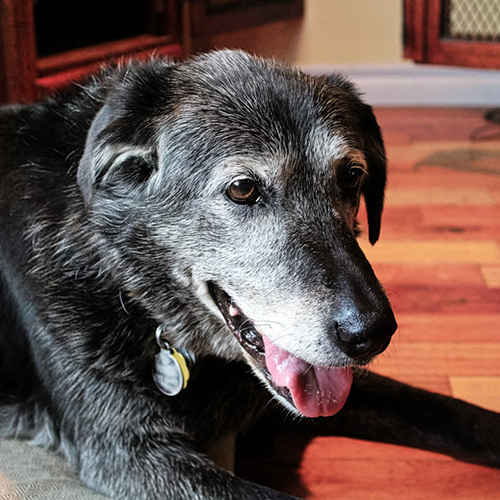
Preventive veterinary care is the cornerstone of keeping your pet their healthiest so that you and your pet can have more great years together. Since pets age more quickly than people do, it is critical to have regular physical examinations done to assess your pet’s health. During routine preventive exams, your veterinarian will assess:
- Overall Body Condition
- Eyes
- Ears
- Nose
- Mouth
- Throat
- Heart and Lungs
- Abdominal Organs
- Musculoskeletal System
- Neurologic System
- Urogenital System
- Lymph Nodes
- Skin/Coat
When health problems are identified, a medical plan will be outlined to evaluate the problems in depth. If your pet appears to be healthy enough for routine preventive care, your veterinarian will discuss which immunizations are advised, as well as parasite prevention including heartworm disease, intestinal parasites, and ectoparasites (fleas, ticks, etc.). Annual age-appropriate lab tests, testing for heartworm and/or tick-borne diseases, and fecal tests for parasites may also be recommended for your pet. Finally, your pet’s nutrition, diet, and exercise routines can be assessed and optimized to help your pet be in best physical condition for their lifestyle and age. Remember, keeping up with preventive care for your pet is the best way to keep your pet happy and healthy for life.
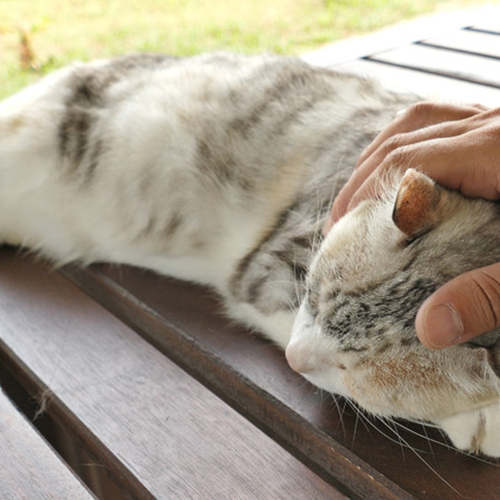
Preventive veterinary care is the cornerstone of keeping your pet their healthiest so that you and your pet can have more great years together. Since pets age more quickly than people do, it is critical to have regular physical examinations done to assess your pet’s health. During routine preventive exams, your veterinarian will assess:
- Overall Body Condition
- Eyes
- Ears
- Nose
- Mouth
- Throat
- Heart and Lungs
- Abdominal Organs
- Musculoskeletal System
- Neurologic System
- Urogenital System
- Lymph Nodes
- Skin/Coat
When health problems are identified, a medical plan will be outlined to evaluate the problems in depth. If your pet appears to be healthy enough for routine preventive care, your veterinarian will discuss which immunizations are advised, as well as parasite prevention including heartworm disease, intestinal parasites, and ectoparasites (fleas, ticks, etc.). Annual age-appropriate lab tests, testing for heartworm and/or tick-borne diseases, and fecal tests for parasites may also be recommended for your pet. Finally, your pet’s nutrition, diet, and exercise routines can be assessed and optimized to help your pet be in best physical condition for their lifestyle and age. Remember, keeping up with preventive care for your pet is the best way to keep your pet happy and healthy for life.
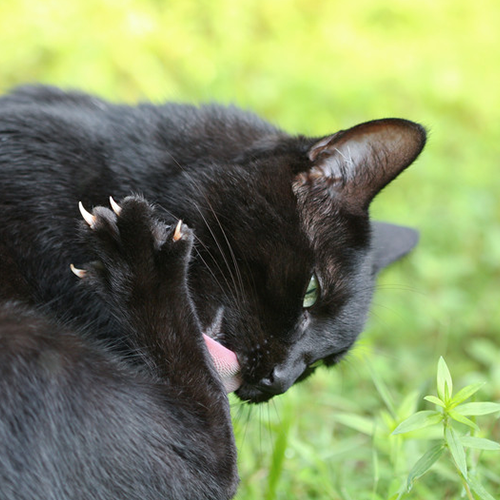

At some point in your pet’s life, they may need a surgical procedure. Whether your pet is having an elective surgery such as spay or neuter, or an emergency surgery for intestinal obstruction, you can rest assured that our staff will provide the very best care possible for your pet.
Our facility offers the following surgical services for companion animals:
- Routine spay and neuter
- Dentistry
- Tumor removal
- Abdominal and soft tissue procedures
- Orthopedic surgery
- Endoscopy and biopsies
- Laparoscopic surgery
In the best interests of our pet, we require a physical examination appointment with one of our doctors prior to scheduling procedures. Before the procedure is scheduled, our staff will explain the process including:
- Any pre-surgical testing that is recommended – baseline laboratory testing is beneficial so that there are no surprises on surgery day. Knowing that your pet has normal blood test results can help prevent anesthetic complications or surgical complications such as excessive bleeding, which can occur when patients have low platelet counts or abnormal clotting. When there is liver or kidney disease, this may affect the choices of anesthetic drugs recommended by your veterinarian, to prevent anesthetic complications and promote a smooth anesthetic recovery.
- Food and water intake restrictions prior to surgery – a period of fasting may be necessary prior to your pet’s procedure. Our staff will let you know what is advised.
- What procedures are to be done on the day of surgery – from initial intake to sedation and general anesthesia, anesthesia monitoring, the procedure and recovery, the staff will walk you through what will happen with your pet once you leave the hospital.
- Discharge and aftercare for your pet – some patients may be able to go home the same day as their procedure, whereas others may need an overnight stay or referral to a 24-hour care facility. The veterinary team will advise you as to what is best for your pet, and also discuss aftercare for your companion and any rechecks needed.

In emergency, seconds count. When you arrive with your pet on emergency or urgent care basis, our highly trained staff will perform an immediate triage assessment to assess the stability of your pet and need for emergency medical intervention. In life-threatening situations, you may be asked for consent to perform CPR (cardiopulmonary resuscitation).
The first component of basic triage is assessing your pet’s level of consciousness, airway/breathing (labored breathing or choking, lack of oxygen), circulatory status (pale gums or weak pulses, racing heart), and pain score. Patients needing urgent medical attention, upon consent will be moved to our treatment area for immediate doctor assessment and commencement of emergency care.
Placing an IV catheter and administering IV fluids, giving oxygen supplementation, and pain relief medications may be elements of the initial stabilization of your pet. As your pet is stabilized, your veterinarian will review a diagnostic plan which may include imaging (radiographs, ultrasound) and laboratory evaluation (blood and/or urine tests) to ascertain the severity of the situation and tailor treatment for your pet.
At times, your pet may need advanced care at a referral or specialty center. When this is the case, our staff will discuss options for transfer and referral. Your primary veterinarian will stay abreast of your pet’s status at the emergency facility.

When your pet is sick or injured, they can’t tell us what’s wrong. A thorough physical exam and history (symptoms you’ve noted at home) are the first important step. If the diagnosis is not immediately evident upon initial assessment, your veterinarian will recommend specific diagnostic tests. These may include:
- Laboratory testing for baseline blood counts and organ function tests, or infectious disease. Blood and/or urine samples may be collected from your pet, for point-of-care testing, or reference lab tests. Point-of-care tests are those tests that are done on-site in our hospital so as to be able to determine results and make treatment recommendations in the most timely fashion possible. In other cases, lab samples may need to be sent off to off-site laboratories (reference laboratories) – when the test cannot be performed with in-hospital lab equipment, or when the test results are not needed urgently.
- Imaging such as x-rays or ultrasound, which allows diagnosis of conditions of the heart and lungs, gastrointestinal obstruction, tumors of the internal organs or bones, fluid in the chest or abdominal cavity, urinary stones or gallstones, reproductive diseases, and bone/joint disorders. For most patients, gentle restraint can be used for these procedures, however, in some cases, sedation may be necessary.
- Microscopy is quite useful in the evaluation of lab samples such as ear swabs, skin impressions and scrapes, and needle biopsies of tumors. These tests are helpful in diagnosis of dermatologic and otic (ear) conditions.
- Ocular conditions may warrant evaluation for tear production (Schirmer Tear Test), corneal injuries (fluorescein stain), or abnormal intra-ocular pressures (Tonometry).
Diagnostic testing is an important step in the development of a treatment plan for your pet, allowing your veterinarian to most effectively target the underlying problem(s) and assess the probability of successful treatment. Your veterinarian can explain the purpose of each diagnostic test for your pet, and help prioritize which tests may be most helpful in determining the cause of your pet’s illness.

One of the most common but also frequently overlooked health problems for companion animals is dental disease. By age 3, most pets have some degree of periodontal disease. This occurs as a result of bacterial infection along the gum line, due to the formation of plaque. Plaque is a sticky substance containing millions of bacteria that forms along the tooth surface and gum line. Without frequent removal, plaque eventually hardens into tartar. Left untreated, this leads to gradual destruction of the gum tissue and supportive structures around the teeth, which can result in tooth loss. Not only is periodontal disease harmful and painful because it results in loss of teeth, but it can also cause damage to important vital organs such as the:
- Heart
- Liver
- Lungs
- Kidneys
When it comes to dental disease, most pet owners don’t realize the extent of the problem until it is quite advanced; hence the importance of yearly to twice yearly physical examinations including a thorough oral health care assessment. In the early stages of dental disease, your veterinarian can recommend home dental health care measures such as tooth brushing, dental treats and rinses, and dental diets. When professional dental care is needed for your pet, general anesthesia is necessary. Your veterinarian will discuss the procedures involved in a COHAT (comprehensive oral health assessment and treatment) plan with you when dental care is needed. Most often, this will involve a day at the veterinary hospital to plan and perform the procedures, which may include doing:
- Pre-Operative Lab Work
- IV Catheterization
- General Anesthesia
- Dental X-Rays
- Teeth Cleaning and Polishing
- Dental Charting
- Extractions when indicated
Upon discharge, the veterinary team will review any instructions pertaining to post-dental medications, special feeding instructions, and when to resume home dental care. Your pet will thank you for remembering to take care of his or her mouth, and live a longer and happier life as a result.
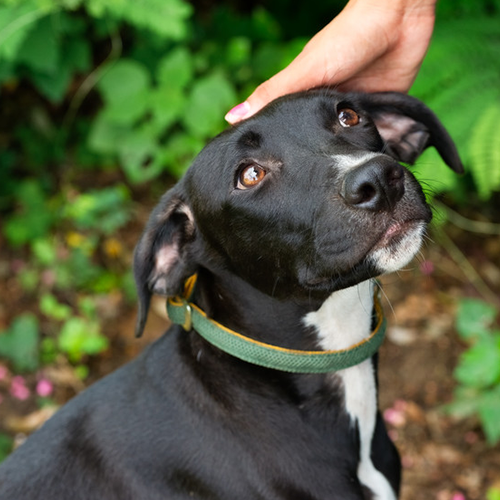
When your pet becomes suddenly ill or in event of an emergency, timely diagnostic test results are extremely important to help your veterinarian determine the best treatment plan. We have state-of-the-art in-hospital laboratory equipment capable of yielding lab results within minutes. Baseline laboratory testing for your sick pet may include:
- Determination of blood cell counts: changes in white blood cell counts, red blood cell counts, and platelet counts can indicate problems such as anemia, dehydration, infection, auto-immune disease, and certain types of cancerous conditions
- Blood chemistry tests: these tests assess liver function, kidney function, blood sugar, blood proteins, calcium and phosphorus levels, and pancreatic function.
- Electrolyte tests: Sodium, potassium and chloride levels may be abnormal when your pet is dehydrated or having fluid losses through vomiting or diarrhea. Intravenous fluids and/or supplementation may be indicated when electrolytes are severely deranged.
- SNAP tests: point-of-care “snap” tests are available for certain infectious diseases such as Feline Leukemia and Feline Immunodeficiency Virus, Canine Parvovirus, Giardia, and Leptospirosis.
- Coagulation tests: these tests detect deficiency in clotting disorders, which can be present in cases of certain kinds of rodenticide poisoning and in severe liver disease/failure
- Microscopy: microscopic evaluation of bodily fluids including blood, urine; samples of skin and ear secretions, and needle biopsies of swellings or tumors can be performed in-clinic to assist in the diagnosis of systemic diseases, urinary disorders, skin and ear diseases, and differentiation of benign vs. cancerous tumors.
Our veterinary team will help explain which tests are most important for your pet. It is very important to us to include you in the decision-making process for your pet, so please don’t hesitate to ask a question if you need clarification.

- Laser Therapy
- Pain Management & Control
- Microchipping
- Nutritional Counseling